
Cleveland winters are known for being cold and unpredictable, with freezing temperatures and strong winds that put a lot of pressure on home heating systems. When it gets this cold, your HVAC system is one of the most important things in your home. If it stops working, the problem is more than just being uncomfortable. Every winter, service calls increase across Northeast Ohio for everything from basic filter changes to emergency furnace repairs.
For homeowners in Greater Cleveland, Verne & Ellsworth Hann helps solve these winter breakdowns every day with dependable heating services, along with air conditioning, boiler, air quality, and plumbing service when you need a complete home-comfort team.
This guide covers the most common winter HVAC problems for Cleveland homeowners, explains why they happen, and helps you know when to call a professional HVAC technician.
1. Dirty or Clogged Air Filters
One of the simplest and most common reasons for winter HVAC service calls is a dirty or clogged air filter. When filters get blocked by dust, pet hair, and other indoor pollutants, air cannot flow properly through the heating system. This not only makes your system less efficient, but it can also cause the furnace to work too hard, overheat, or shut down without warning.
Symptoms homeowners may notice include:
- Weak airflow coming from vents
- Higher than normal heating bills
- Continued cycling on and off without reaching the set temperature
If you are repeatedly dealing with airflow issues, it can help to have a technician check the full system during a heating service visit, not just the filter, especially in older Cleveland homes where duct layout and return airflow can be a factor.
2. Thermostat Problems
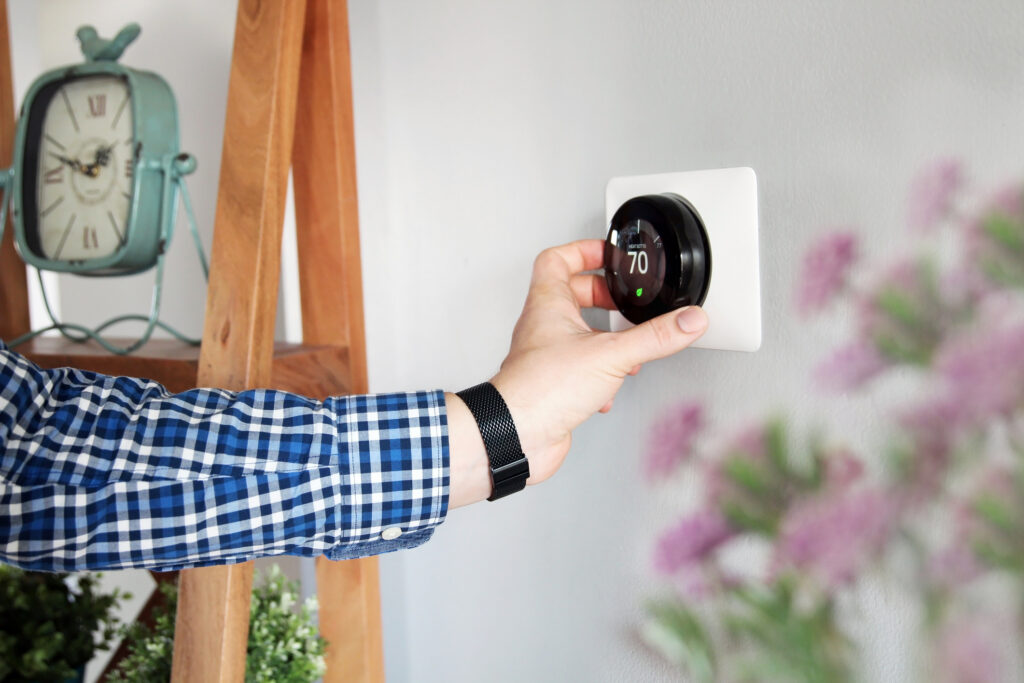
Thermostat problems are a common reason for winter service calls because the thermostat controls when and how your HVAC system works. Issues can come from simple mistakes, like wrong settings, dead batteries, or having the thermostat too close to a heat source.
Common thermostat-related triggers for service calls include:
- The furnace will not turn on even though the thermostat is calling for heat
- Temperature differences between the thermostat setting and the actual room temperature
- The system is rapidly turning on and off
Sometimes you can reset or adjust your thermostat on your own, but often a professional is needed to find and fix electrical or communication problems between the thermostat and the furnace. If your thermostat issues are paired with inconsistent airflow, Verne & Ellsworth Hann can also evaluate related air quality and ductwork concerns that contribute to comfort problems in winter.
3. Furnace Won’t Start or Power On
Few things are more stressful than trying to turn up the heat on a cold Cleveland morning and finding that your furnace will not start. This can happen for several reasons, such as:
- Tripped circuit breaker or blown fuse, cutting power to the system
- Loose or faulty electrical connections
- Issues with safety switches or limit controls within the furnace
Electrical problems can seem like something is broken inside the furnace, but only a trained technician can safely find and fix them. If your furnace will not turn on and easy checks do not help, schedule professional furnace repair in Cleveland to restore heat and reduce the risk of repeat shutdowns.
4. Ignition and Pilot Light Failures
Ignition problems are another common winter issue for gas furnaces. Older furnaces use a pilot light, while newer ones have an electronic ignition. If either one fails, the furnace will not make heat, even if everything else seems to work.
Homeowners might notice:
- The furnace turns on, but no flame is present
- The furnace cycles frequently without sustained heat output
- Strange odors when ignition is trying to spark
Ignition failures can happen because of dirty flame sensors, worn-out igniters, or soot buildup, and these problems need a professional to fix. If your system is short-cycling or failing to ignite reliably, book a diagnostic through Verne & Ellsworth Hann heating repair services so the root cause is addressed, not just the symptom.
5. Uneven Heating or Weak Heat Output
Uneven heating, where some rooms are warm and others stay cold, is a common reason Cleveland homeowners call for HVAC service in winter. Weak heat output can be caused by:
- Blocked or closed vents
- Dirty filters restricting airflow
- Leaky ducts or a system that is not set up well
- The furnace is too small for the space it’s trying to heat
Good airflow is important for keeping your home comfortable. HVAC technicians will check your ductwork, dampers, filters, and furnace size to find out why some rooms are not getting enough heat. In many cases, comfort improves quickly once airflow restrictions are resolved and the system is tuned through a comprehensive heating service appointment.
6. Frozen or Icing Components (Heat Pump Systems)
Winter brings special challenges for homes with heat pumps. Unlike furnaces, heat pumps pull heat from the outside air and move it indoors. If it gets too cold or there is too much moisture, the outdoor coils can freeze, leading to poor performance or even a shutdown.
Signs of frozen components include:
- Frost or ice buildup on the outdoor unit
- Heat pump switching back and forth between heating and defrost cycles
- Reduced heating efficiency
Heat pumps can defrost themselves, but if ice keeps coming back, you should call for service. Verne & Ellsworth Hann can diagnose defrost control issues and performance problems with heat pump repair, which is especially important during long cold snaps in Northeast Ohio.
7. Blower Motor and Fan Failures
The blower motor and fans move warm air from your furnace through your home. If they stop working, you might notice weak or no airflow, even if the furnace is heating up as it should.
Common signs of blower issues include:
- Loud humming or grinding noises when the fan kicks on
- The heater runs, but the air does not move out of vents
- Intermittent airflow that starts and stops
Problems like broken motors, worn-out parts, or snapped belts often lead to service calls. HVAC technicians will find the cause and suggest repairs or new parts. If airflow is failing across multiple rooms, it can also be worth pairing the visit with an inspection of ductwork and airflow to confirm the system is distributing air correctly.
8. Ductwork Problems and Air Leaks
Leaky or damaged air ducts are a common but often missed cause of winter heating problems. Ducts that go through cold places like basements or attics can lose warm air before it reaches your rooms, causing uneven temperatures and wasted energy.
Homeowners may notice:
- Higher energy bills despite running the heat
- Hot rooms near the furnace, cold rooms far from it
- Visible gaps or disconnected duct sections in crawl spaces
Sealing or fixing your air ducts is a common HVAC service that can make your home much more comfortable and save energy. If your home has persistent hot and cold spots, ask about Verne & Ellsworth Hann services related to air quality and duct performance, since airflow and indoor comfort go hand in hand.
9. Strange Noises From HVAC System
Hearing clanging, banging, or squealing noises when your furnace starts is never pleasant. Many winter HVAC service calls happen because of these worrying sounds, not just full breakdowns. These noises can mean:
- Loose or broken internal parts
- Debris caught in the blower assembly
- Worn belts or bearings
Technicians can quickly find the source of the noise and suggest the right repair before it turns into a bigger problem. If you are hearing unusual noises while the system runs, it is a good time to schedule an evaluation through heating repair so the issue can be addressed before the next deep freeze.
10. Carbon Monoxide or Safety Sensor Issues
Safety is always important in winter. Furnaces that use natural gas or propane need good ventilation and working safety sensors. If your carbon monoxide detector goes off or safety switches keep tripping, you should call for HVAC service right away.
Signs that indicate possible safety concerns include:
- Foul or unusual smells from vents
- Yellow pilot light instead of blue
- Carbon monoxide alarm activation
These problems need a professional to check them right away. Broken heat exchangers or blocked vents can be dangerous for your health. If there is any safety concern, schedule immediate service through Verne & Ellsworth Hann heating services and follow your detector manufacturer guidance for safe next steps.
11. Refrigerant or Heat Pump Pressure Problems
If your home has a heat pump, low refrigerant or pressure problems can make it much less effective at heating. Since heat pumps are often a main source of heat in winter for some homes, any refrigerant problem usually means you will need a service call.
Signs of refrigerant problems include:
- The system is struggling to maintain the set temperature
- Frost buildup on coils
- Frequent cycling between heating and defrost modes
Technicians will check refrigerant level, look for leaks, and test the controls to make sure your heat pump works as it should. If you are seeing repeated icing or weak performance, schedule heat pump repair before efficiency drops further.
12. Scheduled Maintenance and Tune-ups
Not all service calls are for emergencies or breakdowns. Many winter HVAC calls are for scheduled maintenance, which is a tune-up done before or during winter to help prevent bigger problems. For Cleveland homeowners, maintenance is also a practical way to catch small issues before they become no-heat calls during the coldest weeks of the year.
During a maintenance call, technicians will typically:
- Inspect and clean burners, igniters, and blower components
- Check venting and flue draft
- Tighten electrical connections
- Test system safety controls
- Change or recommend air filter replacements
Regular maintenance makes it less likely you will have an emergency breakdown during the coldest part of winter, and it supports healthier indoor comfort when paired with air quality solutions that reduce dust and airborne irritants.
When to Call a Professional HVAC Technician
Knowing when to call a professional is just as important as recognizing symptoms. Some issues, like changing a filter or checking thermostat settings, can be handled by homeowners. However, any electrical fault, gas ignition issue, carbon monoxide concern, or persistent malfunction should prompt a service call immediately.
Top reasons to call an HVAC technician include:
- No heat when you need it the most
- Strange noises or smells from your system
- Carbon monoxide alarm triggers
- Uneven heating across your home
- Frozen or iced components on outdoor units
A professional HVAC technician can restore comfort and help keep your home safe and efficient during Cleveland’s tough winter months. If you need help beyond HVAC, Verne & Ellsworth Hann also provides plumbing services, which is useful in winter when freezing weather can also contribute to pipe and water-related issues in Northeast Ohio homes.
Call Verne & Ellsworth Hann for Your Winter HVAC Needs
Winter HVAC service calls in Cleveland can be for many reasons, from simple filter changes to more complicated problems like ignition issues or blower motor failures. If you know the most common causes and spot warning signs early, you can avoid expensive repairs and make sure your system keeps you warm all winter.
Getting regular HVAC tune-ups, fixing problems early, and working with a reliable HVAC service provider can help you enjoy a comfortable winter instead of dealing with emergencies. Verne & Ellsworth Hann has supported Northeast Ohio homeowners for generations with reliable heating, boiler, and indoor air quality solutions that fit Cleveland-area homes.
Call us at (216) 932-9755 to schedule your HVAC service today, or schedule online.